
We take around 20,000 breaths a day, and every single breath is supporting the body’s natural process of eliminating toxins. As breathing happens automatically, most of us don’t even realise that we can also use our breath consciously to influence the way we feel, think, and respond.
The rhythm of our breath holds valuable information about us.
When we experience stress, anxiety, fear, or overwhelm, our breathing naturally changes. We may breathe more quickly, more shallowly, very slowly, or even hold our breath. Over time, these patterns can become habitual and influence how we experience our body, emotions, and nervous system. It’s no surprise that many people experience symptoms of dysfunctional breathing.
When we don’t fully process our experiences, we may disconnect from what we feel, and this can influence the way we relate to our bodies and our breath. Breathwork offers a way to reconnect by bringing awareness back into the body and creating space for emotions, sensations, and insights to arise.
Have you tried Breathwork?
Breathwork is one of the simplest and most powerful ways to create change in your life.

Breathwork can help release held emotions, and improve clarity, productivity, and creativity.
In a Nutshell
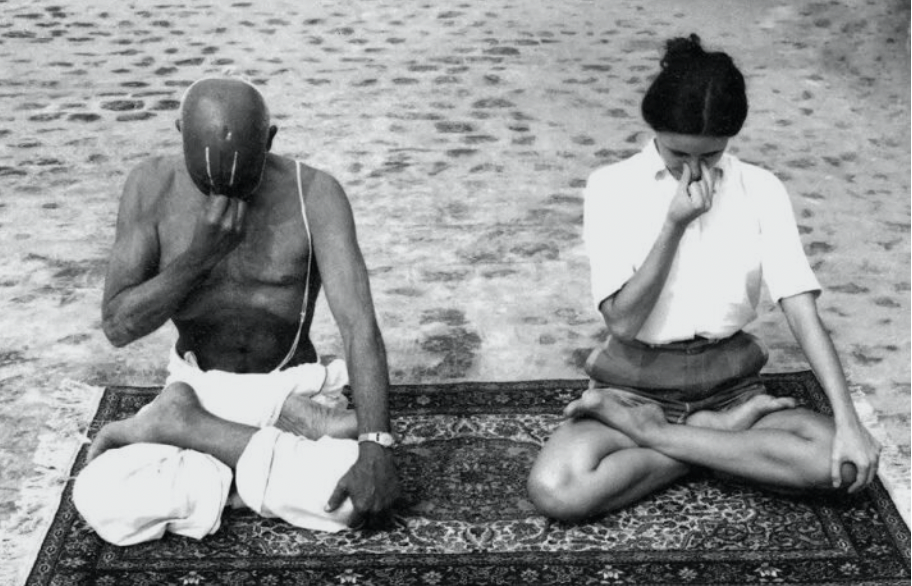
Breathwork is an umbrella term for a variety of intentional breathing practices. Most modern breathwork approaches are influenced by pranayama, the traditional yogic practice of conscious breathing.
Different breathing techniques can support different experiences from calming the nervous system and reducing stress to increasing energy, awareness, and emotional connection.
Changing the rhythm and depth of our breath can create shifts in physical sensations, emotions, and states of awareness. This is especially noticeable during more active forms of breathwork, such as the conscious connected breath. Practising this specific breath pattern for an extended period of time can lead to altered states of consciousness and transformative realisations.
During these sessions, people may also experience deep relaxation, insights, emotional release, or a greater sense of connection. Because breathwork does not rely solely on language or cognitive analysis, it can offer a powerful non-verbal space for exploring emotions and bodily sensations. Tears, laughter, shaking, or other physical expressions may arise as part of the process. These experiences are unique to each individual and can be part of the body’s natural response to the practice.

How Transformative Breathwork works
You lay down comfortably on your back and take deep breaths in and out through your mouth, deep into your belly for an extended amount of time. There will be music playing while I support and guide you through the process. The active phase is followed by a rest phase where you can simply relax while I may play sound for you to ground back into your body.
Breathwork allows our mind to let go of control so that the body can take over, reveal what needs to be cleared, and heal itself. After a session, we often experience a feeling of bliss, intense clarity, and absolute relaxation, because we could let go of what we held for so long, often even unknowingly.
FAQs
-
Make sure to not eat or drink too much within 1h before a session. No previous experience is required. Come as you are. I recommend wearing comfortable clothes or bring a sweater if you tend to get cold but that’s all. Easy.
-
Yes, I offer Online Sessions. You can find all upcoming events here. Online Sessions work very similar to in person sessions. The only difference is that I won’t physically touch you but I’ll be with you every step of the way.
-
Yes, I do. Breathwork is part of my Somatic Therapy Sessions. Find all details here.
-
It depends on the session. Email me and we’ll decide based on where you’re at hello@vanessanaumann.com.
-
In case you have any heart desease, a pace maker or a history of epilepsy, please consult your doctor before considering attending. Other than that, Breathwork is good for most people.